Detailing a New Car: 2025 Toyota Camry in Ridgefield, WA
Interior and exterior detail
Before and after
Tap any one to zoom in.
 BeforeAfter
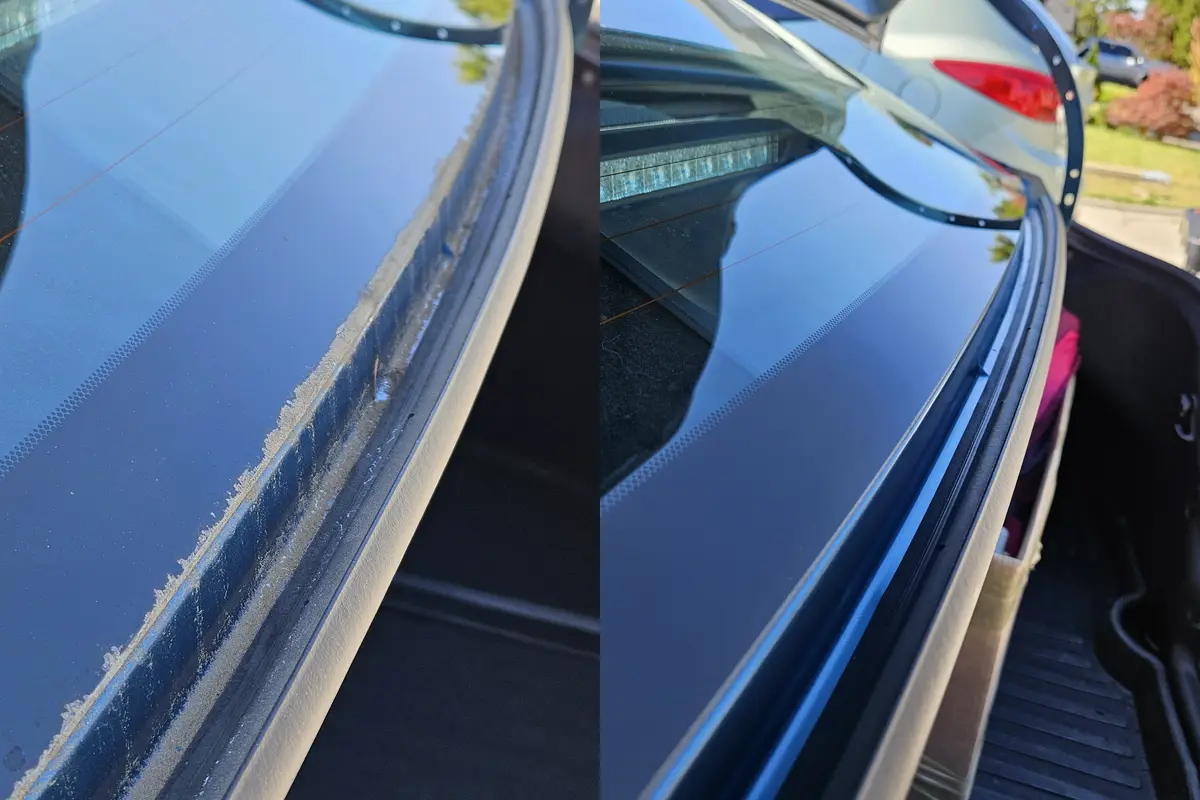
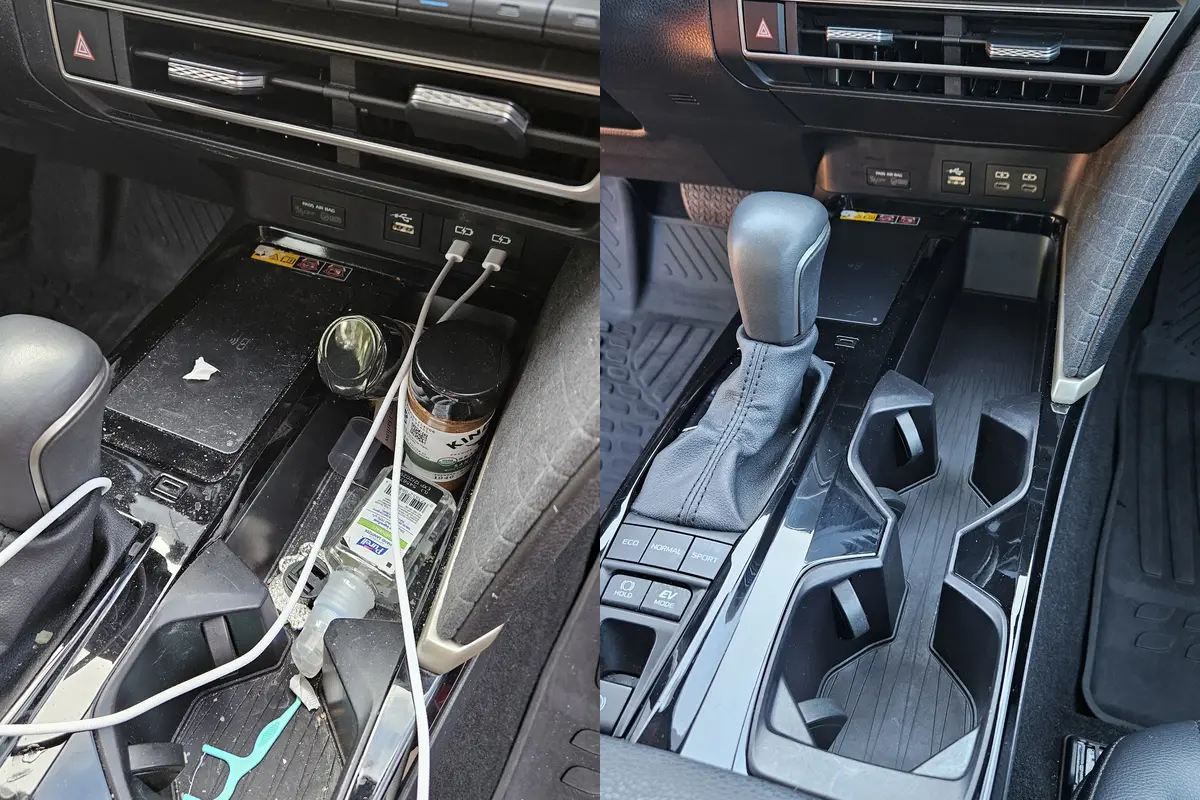
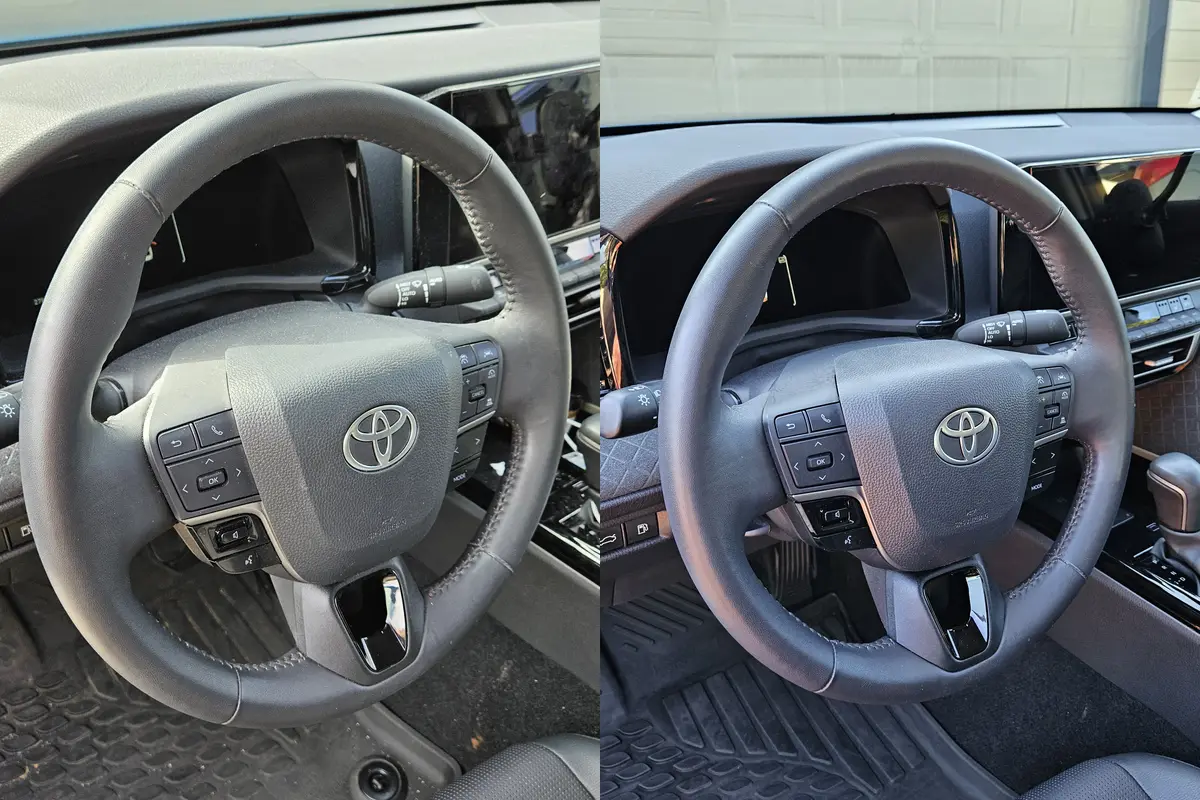
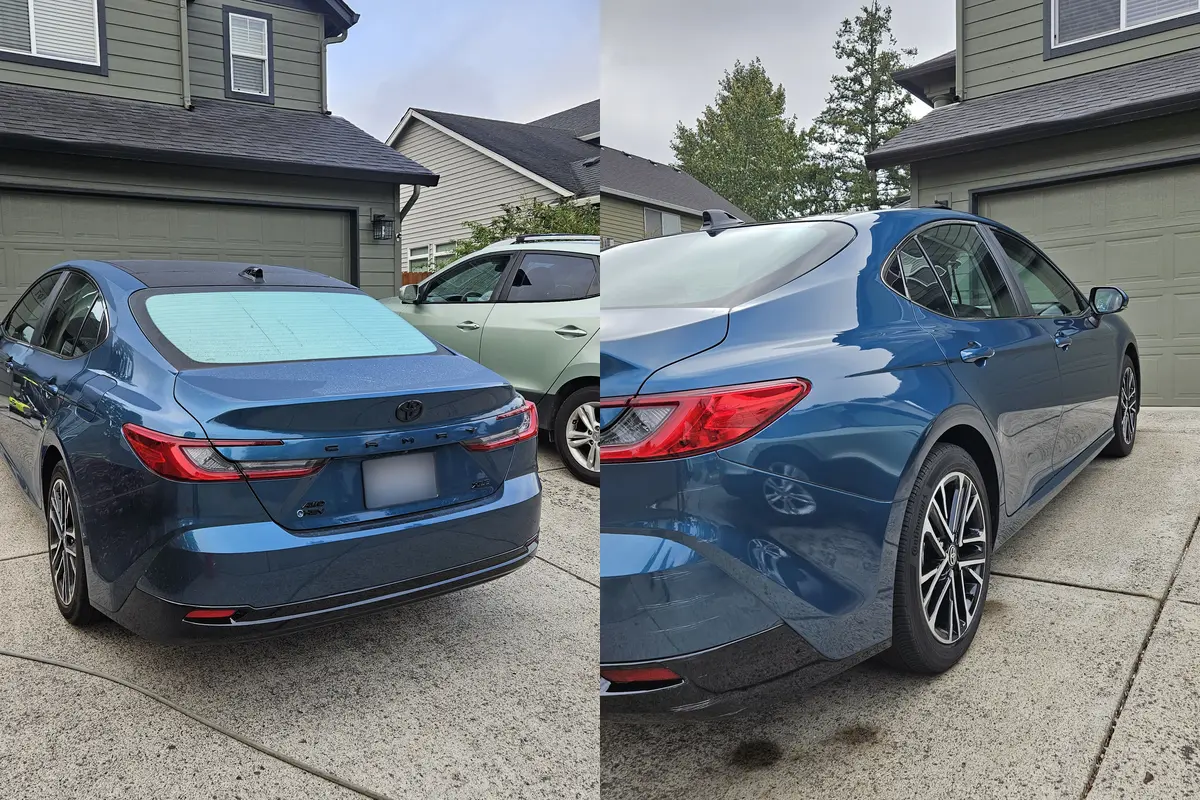
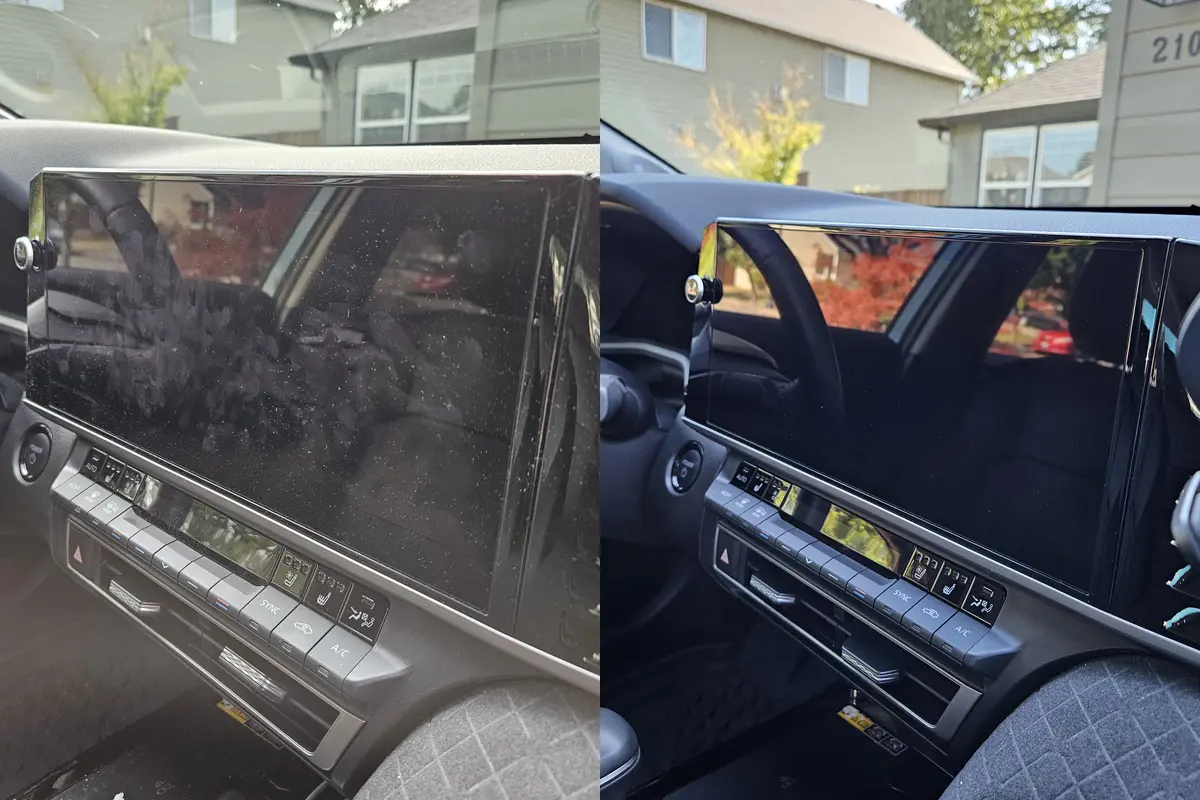
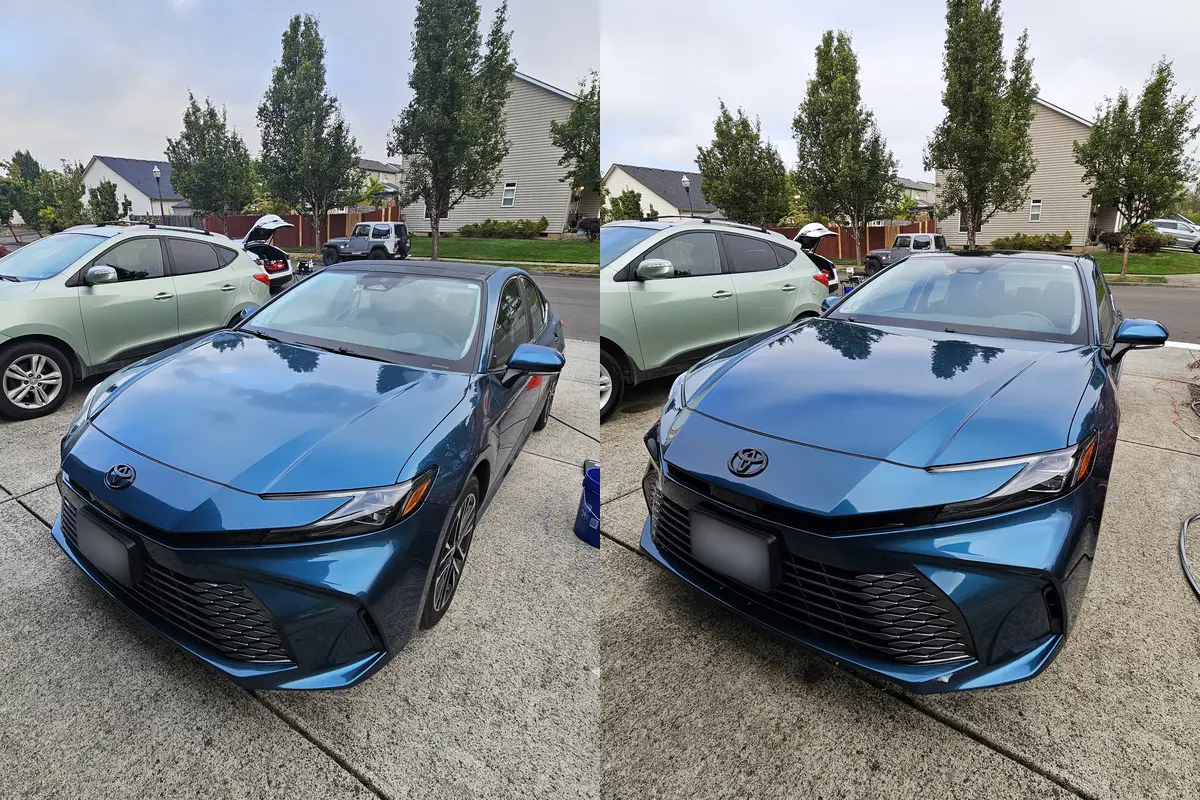
This 2025 Toyota Camry was barely used and still needed a detail. That is the point of this case. Daily driving had put fine dust across the dash, the vents and the door seams, filled the console with the usual cables and cups, and left road film on the paint. We detailed it on site in Ridgefield, Washington, inside and out, in about two hours.
Why a new car still needs detailing
Nothing dramatic. No stains, no pet hair, no odor. Fine dust settled into the vents, the seat rails, the door pockets and the seams around the screen. The console carrying charging cables and a cup. Road film dulling the paint, and brake dust on the wheels.
Most people book a detail when a car has got away from them. This one was the opposite, and it is the better time to do it. There was nothing to recover, so every hour went into cleaning rather than undoing damage.
The dust you cannot see is the part that matters. It works into the vent slats, the seat rail channels, the gaps around the screen and the door pocket corners. Wiping the flat surfaces never reaches it, and once it has been there through a few damp months it stops being loose dust and starts being grime.
We ran a full vacuum through the cabin, including under the seats and along the rails. Every panel was wiped in two stages, a soft brush first to lift dust out of the tight seams and vents, then a clean microfiber towel to take it off rather than push it around.
Outside, a hand wash panel by panel and the wheels cleaned of brake dust. On paint this new the whole job is keeping contamination from sitting long enough to bond.
What two hours buys on a car in good condition
A car with nothing wrong with it is where the detail goes furthest.
- Trash and loose items out, console cleared.
- Full vacuum including under the seats and along the seat rails.
- Two stage wipe on every panel, soft brush into the seams and vents first.
- Screens and interior glass cleaned.
- Exterior hand wash, panel by panel, wheels cleaned of brake dust.
Result
- Console and cup holders cleared and cleaned.
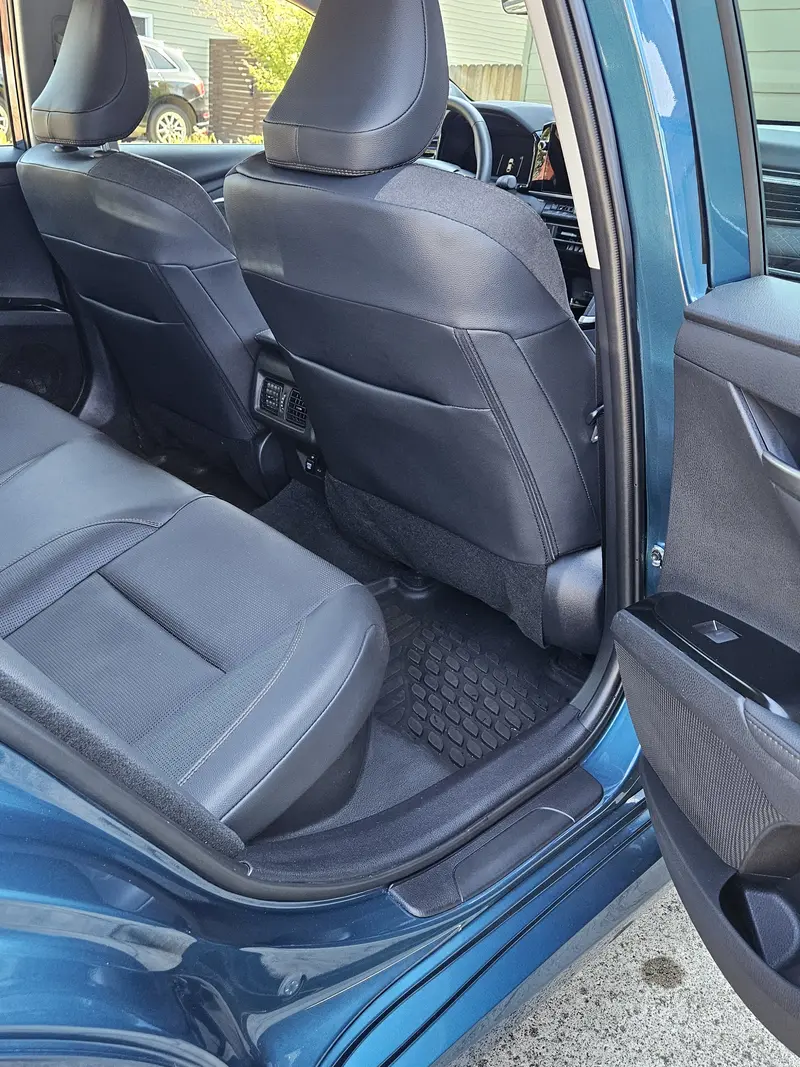
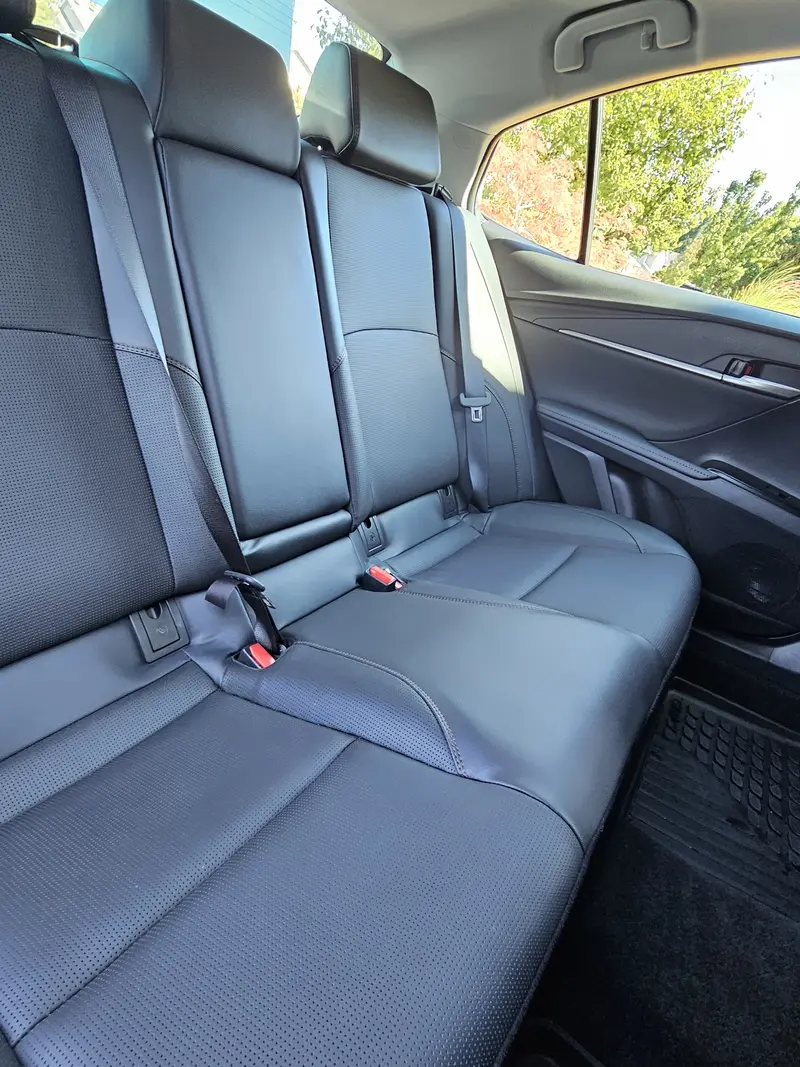
- Dust lifted out of the vents, door seams and seat rails, not just off the flat surfaces.
- Door panels, sills and switches cleaned.
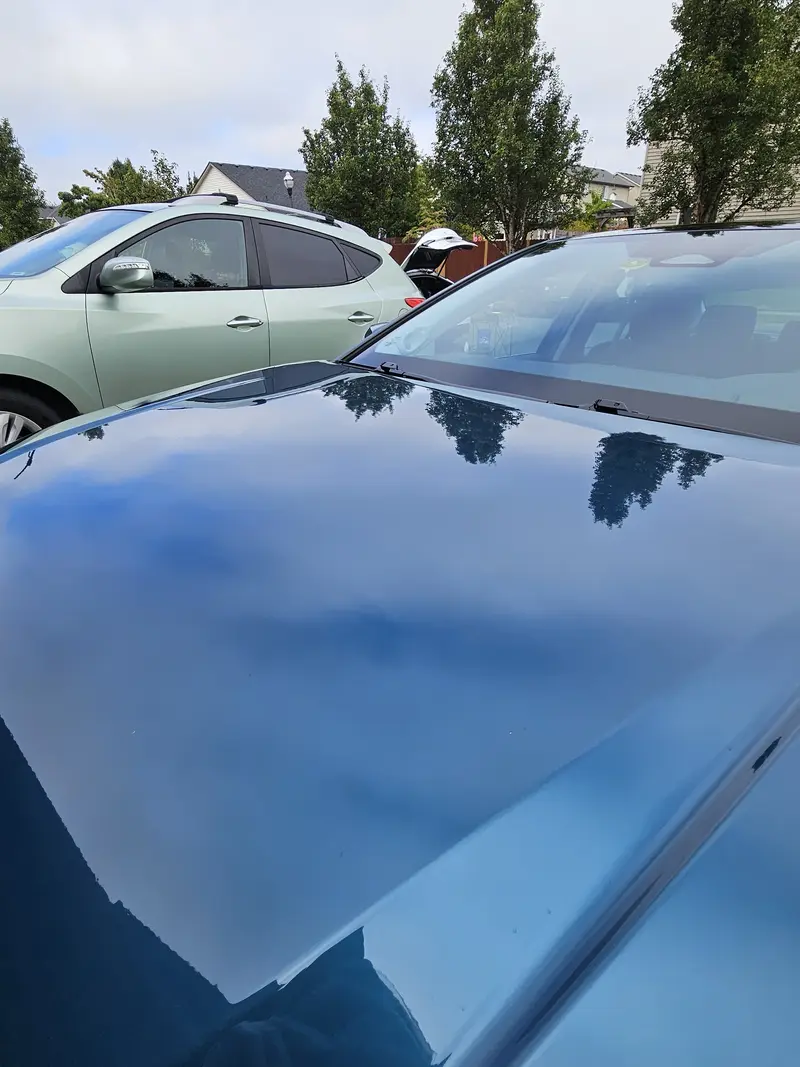
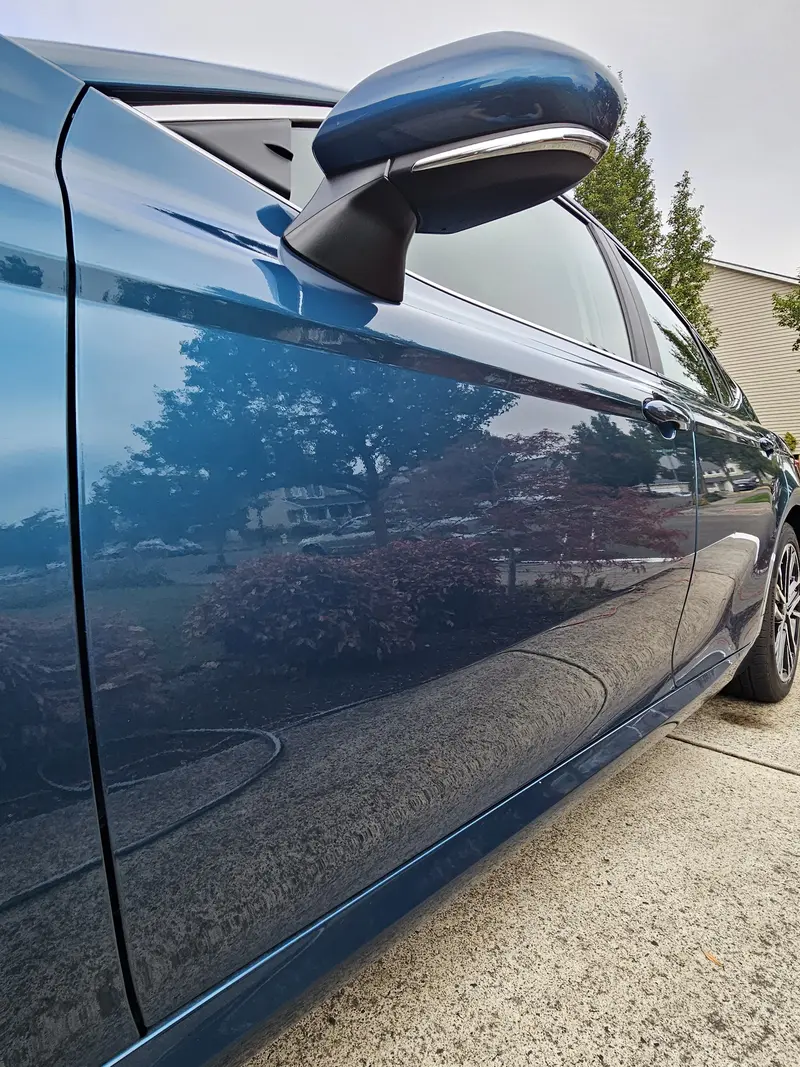
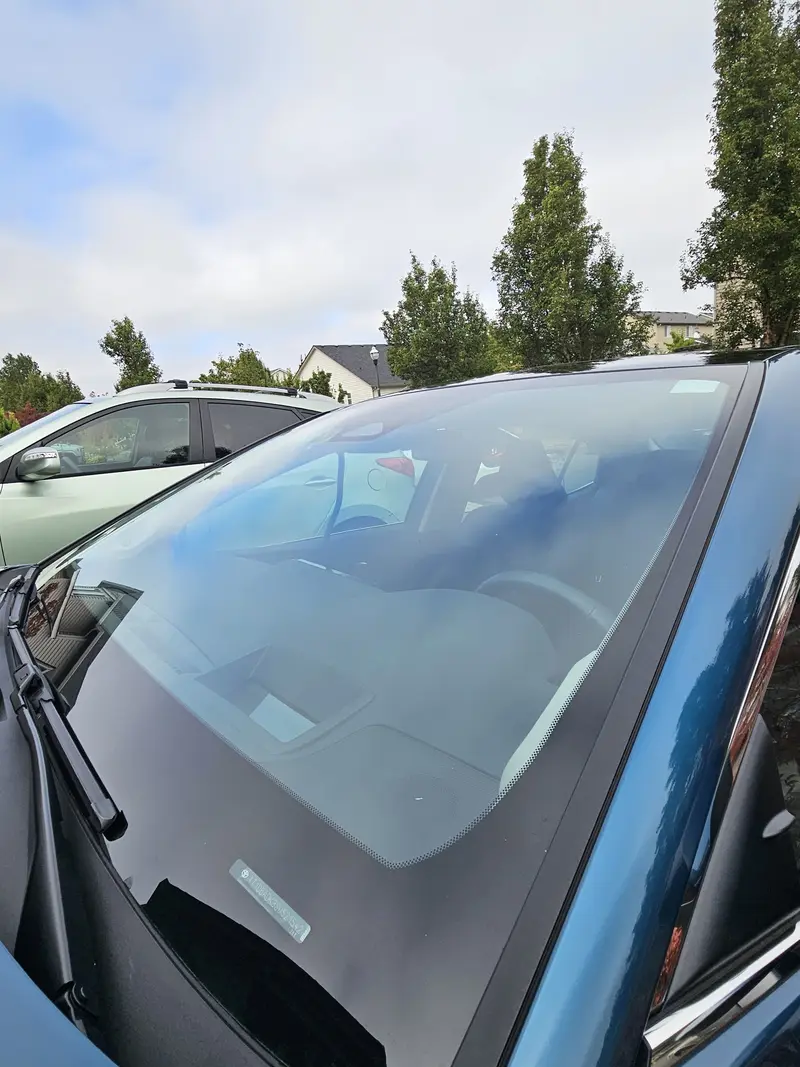
- Hand washed outside, wheels cleaned, paint left clear of road film.
A detail on a car in this condition is not going to look dramatic in a photo, and we would rather say that than oversell it. The value is not in the before and after, it is in the fact that nothing ever gets to the stage where a before and after is impressive. The jobs on this site that took five, six and seven hours all started as cars like this one. Keeping ahead of it costs a fraction of catching up with it later.
About two hours, on site in Ridgefield.
Finished
How it looked when we packed up.
Questions people ask about jobs like this
Yes, and it is the cheapest detail you will ever buy. A new car has no stains to lift and no built up grime, so the work is protection and upkeep rather than recovery. Keeping on top of it from the start is far less expensive than putting a neglected interior right two years later.
Sooner than most people think. A car picked up from a lot has been sitting outside, handled by several people and driven on a transporter. A first detail resets it to a known clean state, and everything after that is maintenance.
For most daily drivers, every three to six months. A car that carries kids, pets or a commute benefits from the shorter end of that. Between details, the interior stays far easier to keep up.
Usually yes. Daily driving puts fine dust into the vents, the seat rails, the door pockets and the seams around the screen long before anything looks dirty. That is what a detail reaches.
This Camry took about two hours inside and out. A car with stains, pet hair or heavy build up takes considerably longer, which is why we quote from photos rather than by the hour.